
Recirculating Land-Based Aquaculture (RAS) Project: A Complete Look at an Innovative System Supporting Sustainable Food
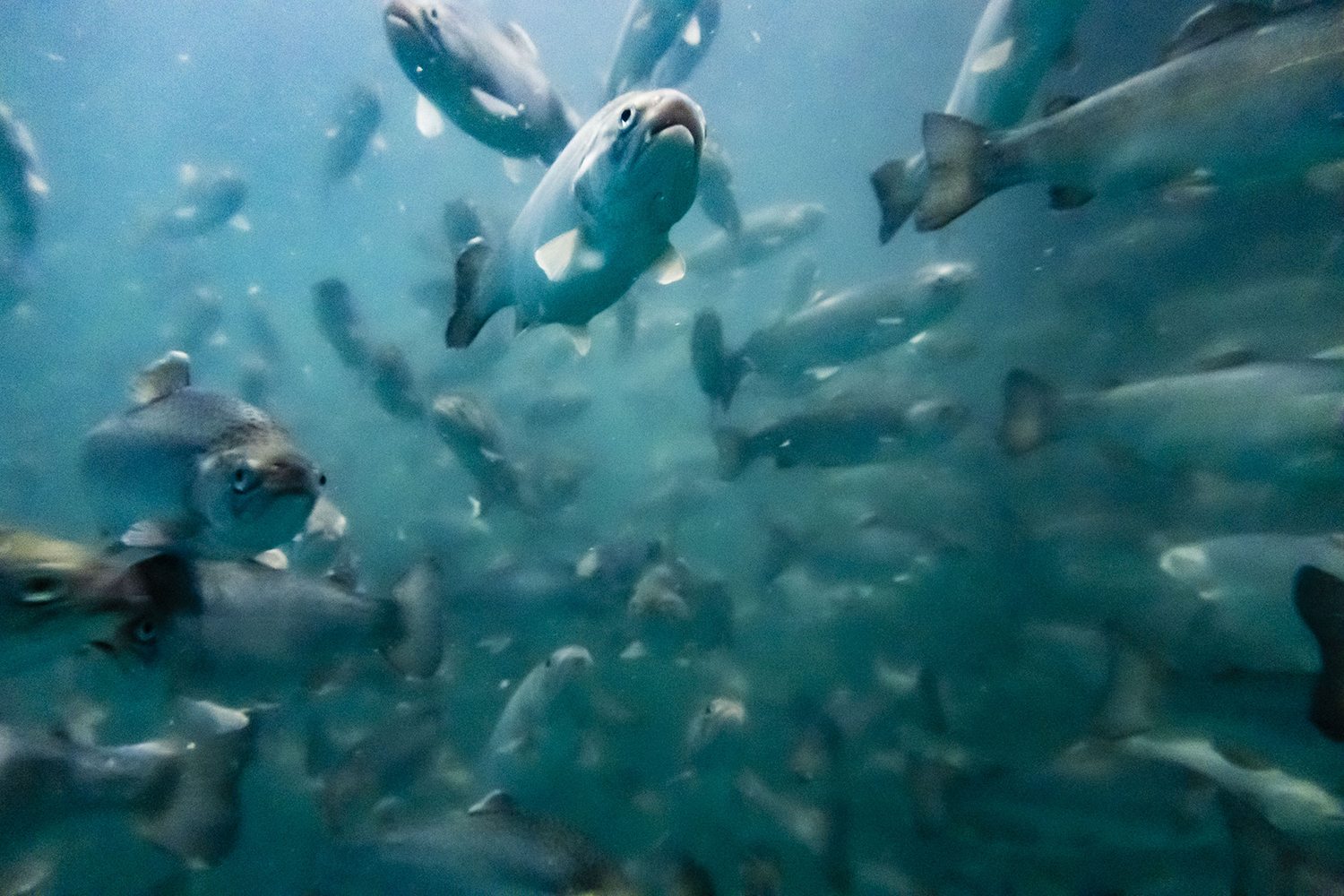
The fishing industry faces many challenges, including the global depletion of marine resources, marine pollution, and climate change.
One promising solution is recirculating land-based aquaculture (RAS).
RAS is a technology for cultivating fish while artificially managing water quality, and it is attracting attention as a new industry that supports sustainable food supply.
What is a Recirculating Aquaculture System (RAS)?
RAS is a closed-system aquaculture system that filters and sterilizes the water in the tanks, reusing 90-99% of it.
Because it is not dependent on the marine environment, it is possible to produce high-quality fish even in urban or inland areas.
Benefits of RAS
| Not affected by environmental factors | Not affected by rising temperatures, red tides, marine pollution, etc. |
| Less disease incidence | Due to the closed environment, pesticide use can be reduced. |
| Stability of production | Planned production makes it ideal for contract supply to restaurants and supermarkets. |
| Urban models are possible | It is also well suited to the development of “sixth-sector industrialization,” where processing and sales are carried out in the same facility. |
Smart RAS, AI, and IoT
- Water quality sensors
- Automatic feeding
- Growth prediction AI
- Remote monitoring
These advancements significantly improve efficiency and reduce costs.
Business Strengths
- Stable Delivery to High-End Restaurants
- Establishment of a Local Production and Consumption Model
- Easy Overseas Expansion
- Highly Recognized in the ESG Area
Another attractive feature is the fact that it attracts investment as a “sustainable seafood industry.”
summary
Land-based recirculating aquaculture is a technology that will change the future of the fishing industry.
Because it is environmentally friendly and enables the stable cultivation of high-quality fish, it will likely become a key part of future food strategies.